
Getting into an auto wreck with a rideshare vehicle like Uber or Lyft can be confusing and stressful. Whether it happened on the busy roads of Plano, Frisco, McKinney, or along major highways like U.S. 75, President George Bush Tpke, or the Sam Rayburn Tollway (SH 121), you need to know what to do next. Common causes like distracted driving, driver fatigue, or poor vehicle upkeep can lead to these collisions. Your safety comes first – make sure to call 911 and get medical help if needed. After that, it’s important to gather all the details from the accident scene, including contact information from the driver and witnesses. You may be entitled to compensation for your injuries and damages, but rideshare accidents can have complicated insurance rules. Knowing who’s responsible and what coverage applies can make all the difference in getting the help you deserve.
Rideshare accidents involving companies like Uber and Lyft often result from driver negligence, such as distracted driving, fatigue, and inadequate vehicle maintenance.
Passengers have legal rights to safe rides and can pursue liability claims or lawsuits for injuries, medical expenses, and lost wages after a rideshare accident.
After a collision, ensure safety, call the police to file an accident report, document the scene, and collect insurance information from all involved parties.
Reporting the accident to the police and the rideshare company, such as Uber or Lyft, is crucial for legal action and the compensation claims process.
Rideshare companies carry liability insurance coverage for passengers and third parties affected by accidents, aiding in the settlement and compensation processes.
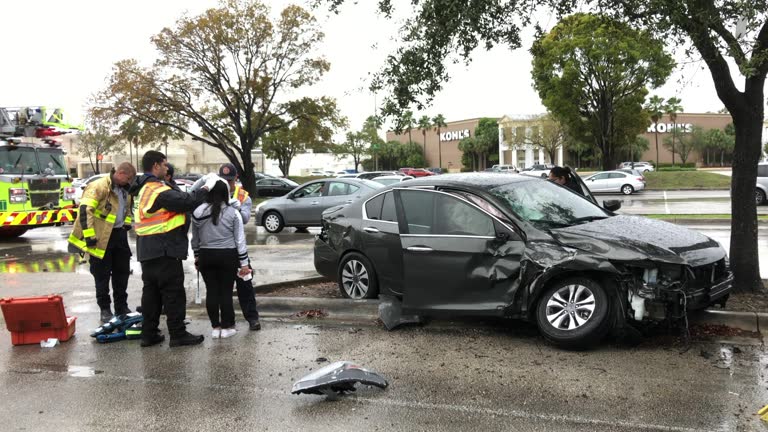
Safety tips:
Driver fatigue is a serious problem for Uber and Lyft drivers, especially those working long hours to increase their earnings. When a driver is tired,
This puts everyone at risk, whether you are a passenger in the rideshare or someone sharing the road.
Many rideshare drivers feel pressure to keep working even when they need rest. This can lead to drowsy driving, which is just as dangerous as driving drunk. Even a momentary lapse in focus, like a quick blink, can cause a serious accident.
To prevent accidents:
Safety tips:
Driver fatigue is a serious problem for Uber and Lyft drivers, especially those working long hours to increase their earnings. When a driver is tired,
This puts everyone at risk, whether you are a passenger in the rideshare or someone sharing the road.
Many rideshare drivers feel pressure to keep working even when they need rest. This can lead to drowsy driving, which is just as dangerous as driving drunk. Even a momentary lapse in focus, like a quick blink, can cause a serious accident.
To prevent accidents:
How well do you know the ins and outs of safe driving? Many rideshare drivers lack the essential training needed to navigate the roads confidently.
While they might know basic driving rules, they often don’t receive extensive education on defensive driving techniques, handling emergencies, or recognizing hazards. This gap in training can lead to poor decision-making and increased accident risk.
Additionally, drivers may not fully understand how to manage diverse passenger behaviors or the nuances of rideshare policies. Without proper training, they may struggle to adapt to unexpected situations, putting everyone at risk.
As a passenger, you rely on your driver’s skills and judgment, making it vital for rideshare companies to prioritize thorough driver training to enhance safety on the roads.

After a rideshare accident, your priority should be ensuring your safety and calling emergency services if needed.\
Next, you’ll want to document the accident scene and gather information from everyone involved.
Reporting the incident to both the police and the rideshare company as soon as you can is essential, along with seeking medical attention if you need it.
In the moments following a rideshare accident, your priority should be ensuring your safety and that of others involved. Check for injuries, and if anyone needs immediate medical attention, don’t hesitate to call 911.
Here are essential steps to follow:
1. Move to Safety: If possible, get out of the vehicle and move to a safe location away from traffic.
2. Assess Injuries: Quickly evaluate yourself and others for injuries. If anyone’s hurt, provide basic first aid if you’re able.
3. Call Emergency Services: Notify the police and request medical assistance if necessary. They’ll document the incident and help manage the situation.
Taking these steps can make a significant difference in ensuring everyone’s well-being after an accident.
Once you’ve guaranteed everyone’s safety and called for help, it’s time to document the accident scene for evidence.
Start by taking clear photos of the vehicles involved, focusing on damage, license plates, and any relevant road conditions. Capture the entire scene from multiple angles, including skid marks and traffic signs.
If possible, make a note of the time, weather, and any other factors that might have contributed to the accident. Sketch a quick diagram of the scene to illustrate vehicle positions.
If there are witnesses nearby, jot down their statements, as these can be significant later. This documentation will be essential for insurance claims and any potential legal actions, so be thorough and precise in your notes and images.
Collecting information from all parties involved is essential right after a rideshare accident, so make certain to get the necessary details promptly.
You’ll want to gather key information to support your case later on. Here’s what to focus on:
Taking these steps will help in any claims or legal actions.
Reporting the accident to both the police and your rideshare company is essential for ensuring your safety and protecting your rights.
Start by calling the police to report the incident, especially if there are injuries or considerable damage. They’ll document the scene and create an official report, which can be vital for any future claims.
Next, inform your rideshare company about the accident. Use the app or contact their support directly, providing them with all necessary details, such as the time, location, and circumstances of the collision.
This step helps the company track the incident and assist you better. Remember, timely reporting can meaningfully impact your ability to receive compensation and resolve any disputes that may arise.
Seeking medical attention immediately after a rideshare accident is critical, even if you feel fine. Injuries can manifest later, and timely evaluation can prevent complications.
Here’s what you should do:
Your health is the priority; don’t take chances after an accident.
As a driver, Period 0, or the app-off stage, means you’re solely relying on your personal insurance coverage. During this time:
Once you’ve accepted a ride and are en route to pick up your passenger, your insurance coverage improves considerably.
With your passenger now onboard, your insurance coverage reaches its peak level.
This period offers full protection, meaning both you and your passenger are covered in case of an accident. Your liability limits increase greatly, ensuring that medical expenses, damages, and legal fees are taken care of.
When you think about rideshare accidents, they’re not just like regular car accidents. You’ve got complex insurance structures, corporate protections, and the involvement of multiple parties that can complicate things. Plus, the use of digital evidence and data logs plays a significant role in these cases.
Here are three key factors to take into account:
Navigating these issues can be overwhelming, but knowing about them can help you make informed decisions after an accident.
When you’re involved in a rideshare accident, these digital tools can provide vital insights that standard car accidents often lack.
Here are three key ways they make a difference:
When you’re involved in a rideshare accident, having legal support from The Law Office of Joel M. Vecchio, P.C. can make a big difference in your case. Here’s why:
With The Law Office of Joel M. Vecchio, P.C. by your side, you’ll have experienced support to guide you through the process, letting you focus on your recovery.
If you are a victim injured in a Lyft or Uber accident, you should understand the types of compensation you can claim. You may be entitled to payments for medical bills, lost wages, pain and suffering, emotional distress, and punitive damages in serious cases.
After a rideshare accident, medical costs can pile up quickly. You may be eligible for compensation to cover:
Tip: These costs can add up, so knowing your options for covering them is important.
Injuries from a rideshare accident may prevent you from working, leading to lost wages. You may be able to claim compensation for:
Tip: It’s important to document your income and how the accident affected your ability to work.
Rideshare accidents can cause more than physical injuries—they can also affect your quality of life. You may be entitled to compensation for:
If you’ve been involved in a collision while riding in an Uber or Lyft, you might wonder whether you can sue the rideshare company directly. Generally, you can’t sue Uber or Lyft outright, as they typically classify their drivers as independent contractors.
However, there are some important points to take into account:
In recent years, several notable lawsuits have emerged from rideshare accidents, highlighting the complexities of legal responsibility in these cases.